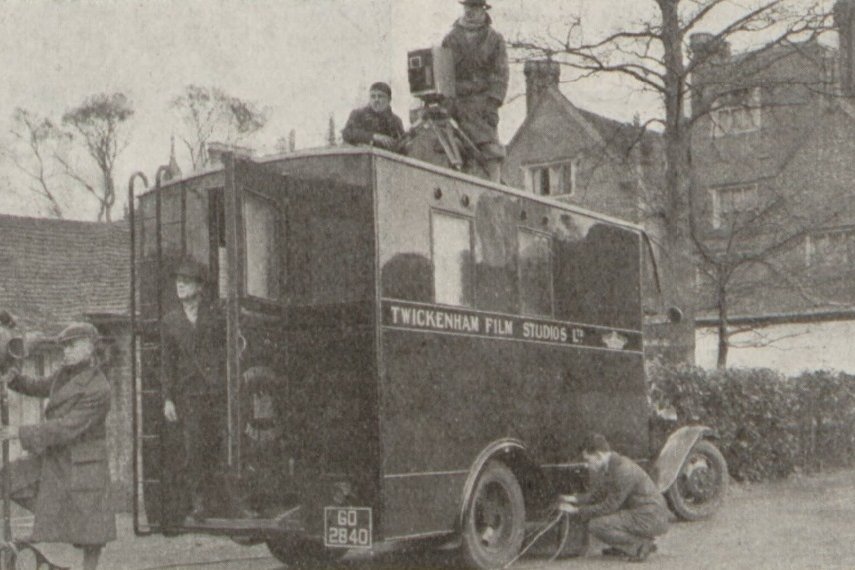
1913
A studio is born
Dr Ralph Jupp transforms a former St Margarets skating rink into the largest film studio in Britain. The newly formed London Film Company shoots its first feature here, and a century of filmmaking begins.


More than a century of filmmaking on a single West London site — from a converted skating rink to one of the UK's leading virtual production stages.
Dr Ralph Jupp transforms a former St Margarets skating rink into the largest film studio in Britain. The newly formed London Film Company shoots its first feature here, and a century of filmmaking begins.
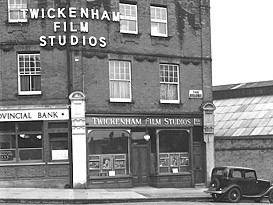
Under Julius Hagen the studio is renamed Twickenham Film Studios and embraces sound, installing the equipment that carried it into the era of the ‘talkies’.
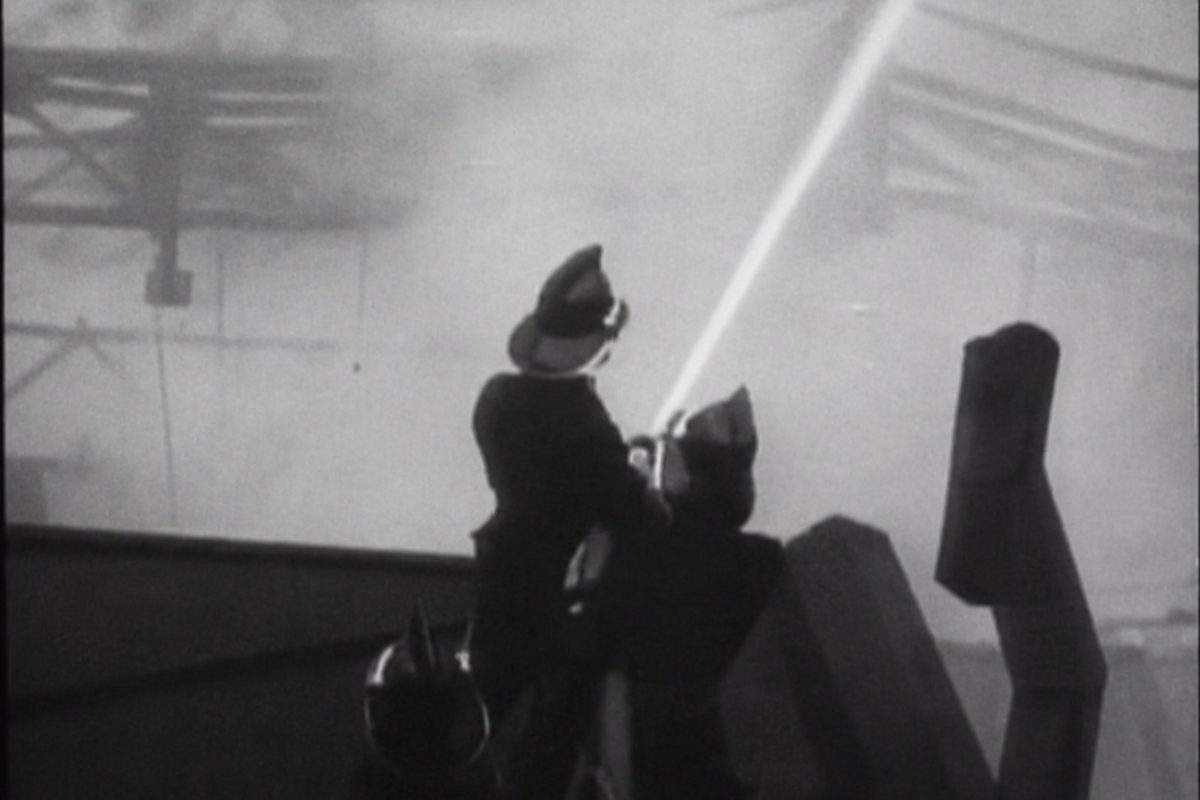
A fire tears through the main stage, destroying years of work. The studio rebuilds, refusing to let the cameras stop, and keeps making films through the decades that follow.
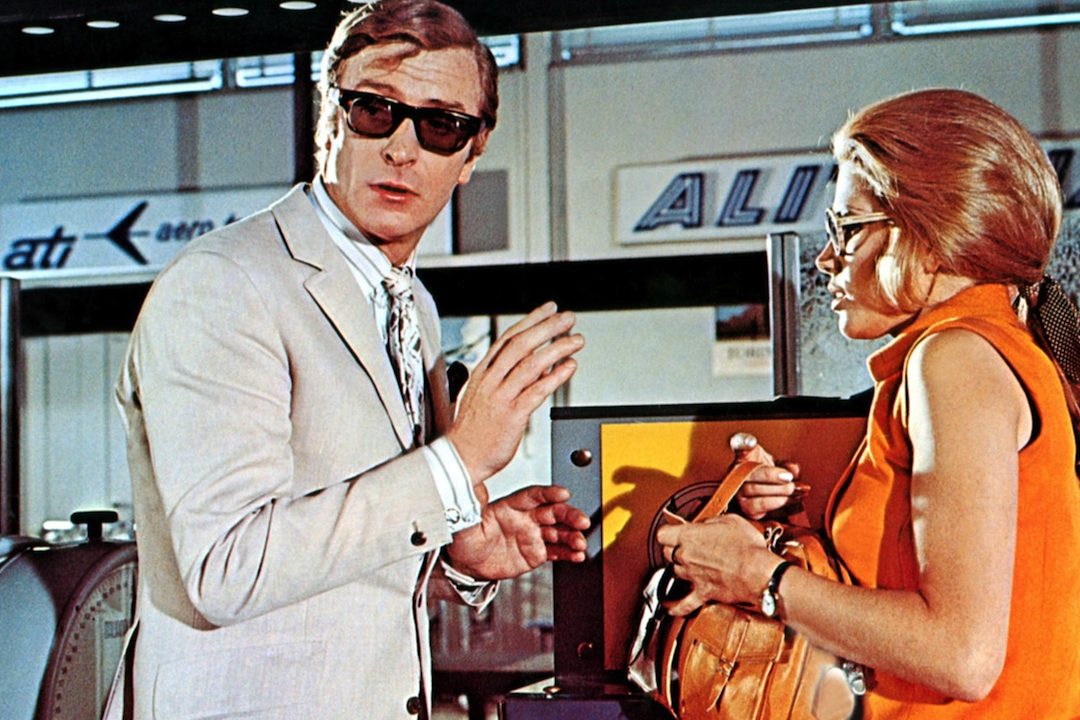
Michael Caine’s Alfie, Roman Polanski’s Repulsion and The Italian Job — some of the most defining British films of the era are made on these stages.
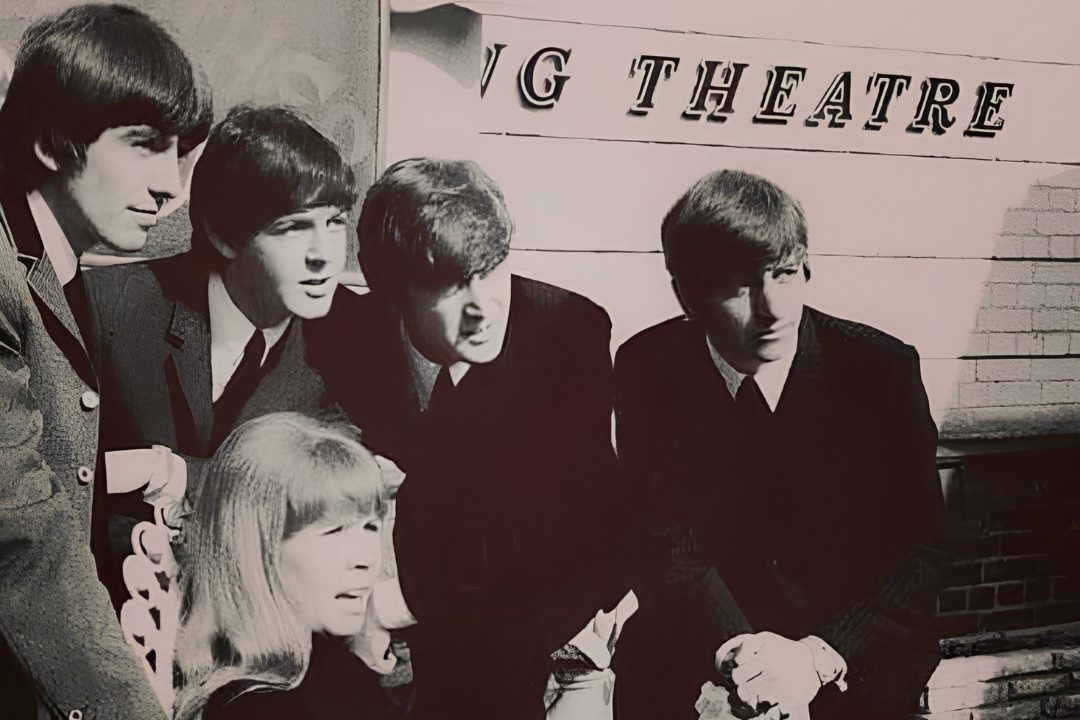
The Fab Four shoot A Hard Day’s Night and Help! here at the height of Beatlemania, and in 1969 return to rehearse their final sessions — footage later seen in Peter Jackson’s Get Back.
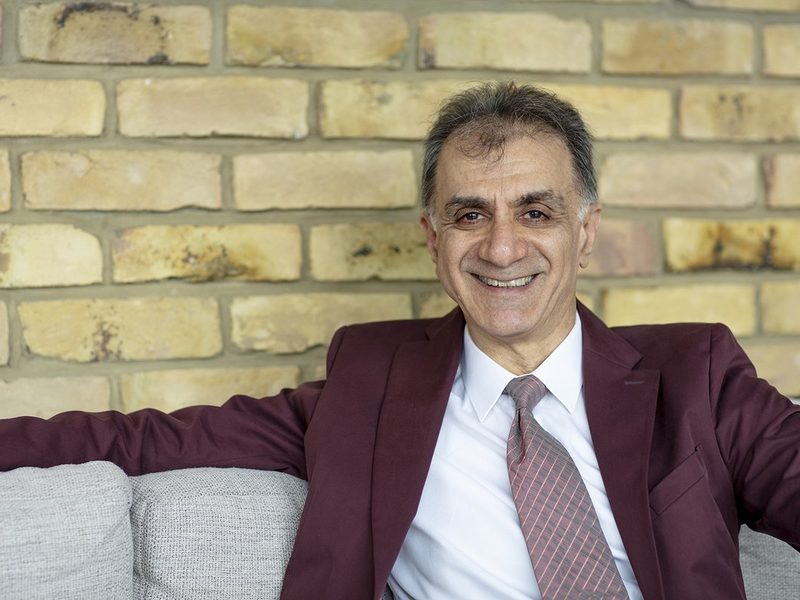
Facing closure on the eve of its centenary, a passionate campaign rallies the industry. Sunny Vohra acquires the studio, saving it from demolition and investing millions to restore it.
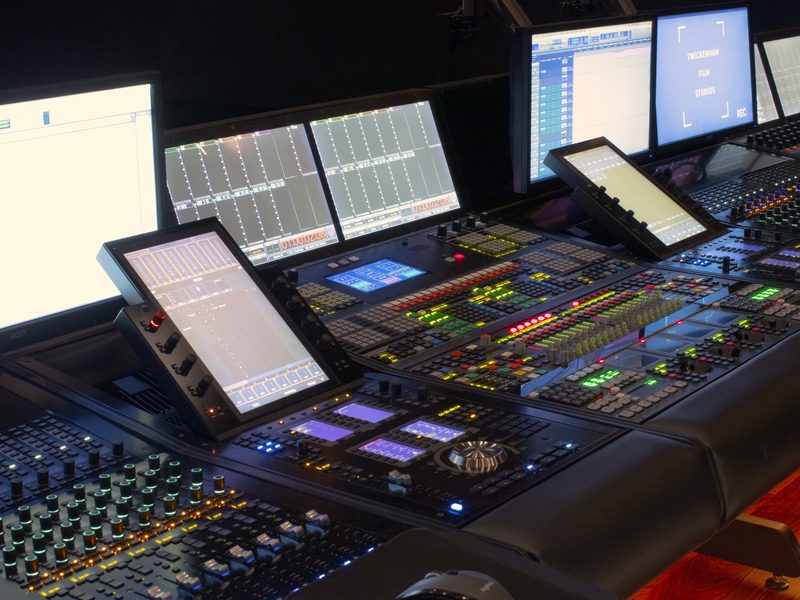
New ownership and major investment usher in a modern era of world-class stages and post-production, with Sunny Vohra continuing as chairman of the rejuvenated studio.
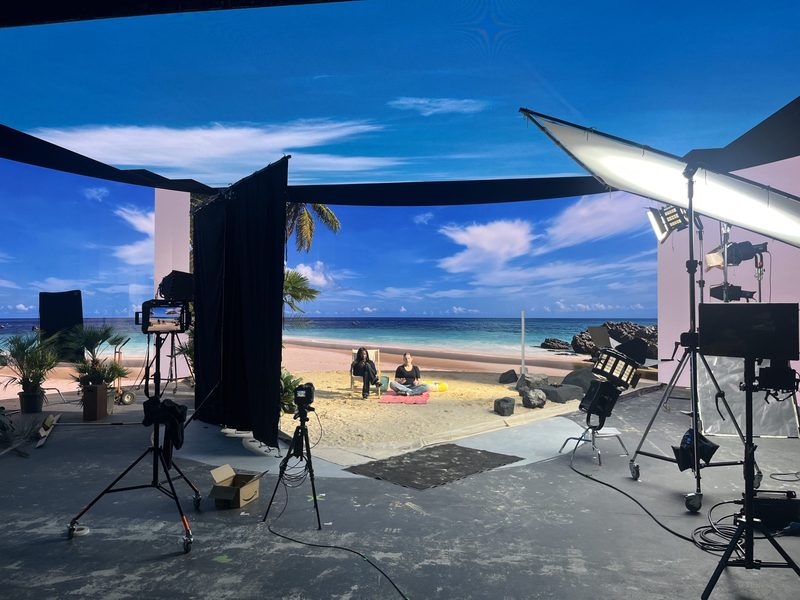
Twickenham leads UK virtual production with a state-of-the-art LED volume on Stage 3 — where the next century of the studio’s story is being written.